2026-11-06 · Carlos Mendoza
How to Spot Hidden Water Damage in San Francisco Victorian Homes
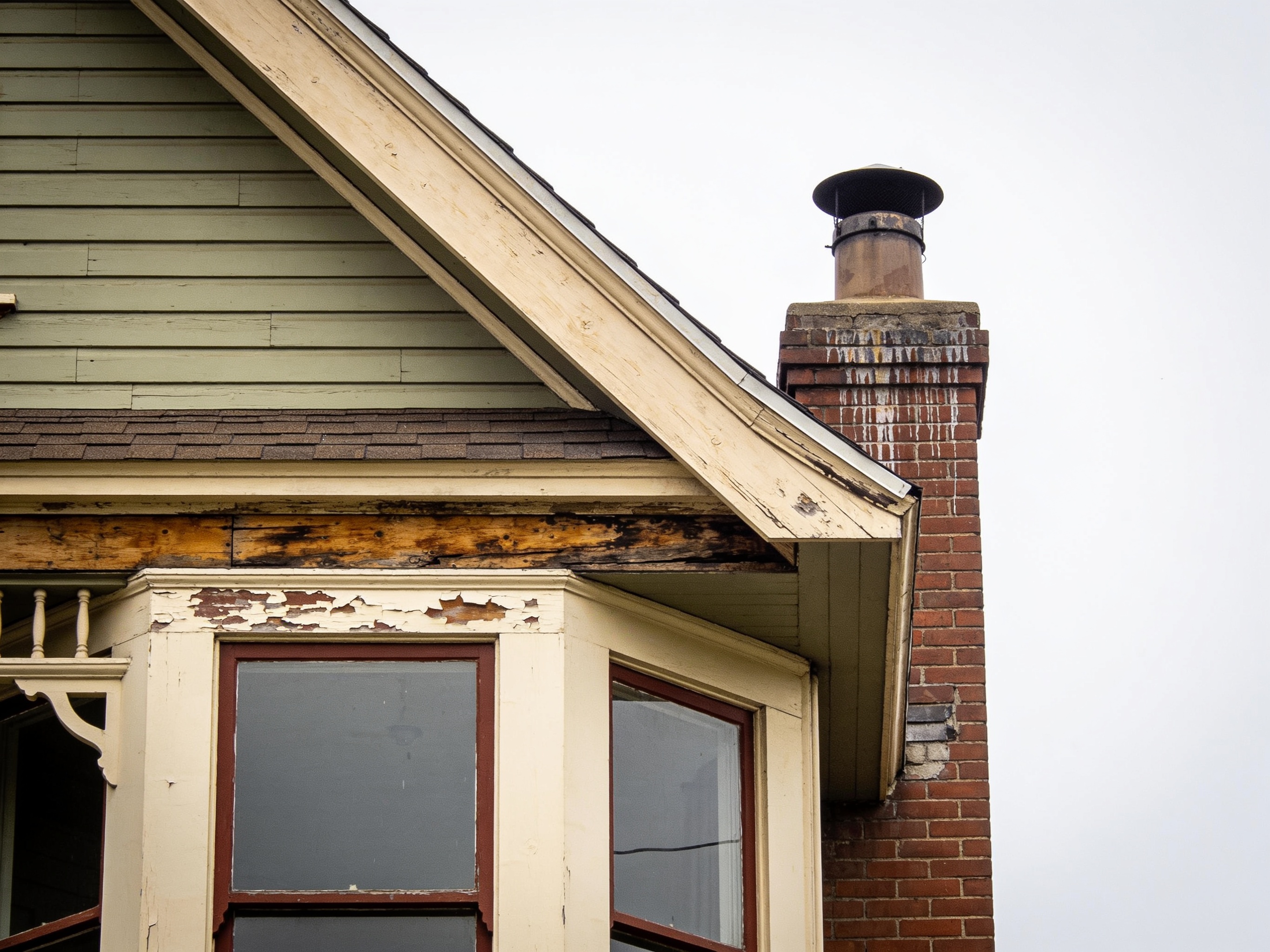
Victorian homes in San Francisco frequently conceal water damage from leaks in galvanized pipes that last 40–60 years and from roof issues during the region's wet winters. Owners in the Mission District, Castro, and Haight-Ashbury notice warped baseboards or musty odors first when moisture seeps through lath-and-plaster walls without visible stains.
Examining Attics for Roof Leaks
Victorian roofs in areas like Nob Hill and Russian Hill collect water from cool, wet winters that last from November through March. Climb into the attic and look for dark streaks on rafters or insulation that feels damp to the touch. Mold growth often appears along the north-facing slopes where sunlight rarely reaches. Check the chimney flashing around brick stacks common in these 19th-century structures, as gaps allow rain to run down interior walls. In homes near Golden Gate Park, wind-driven rain pushes water under shingles more aggressively than in flatter neighborhoods. Document any discoloration with photos before it spreads to the ceiling below.
Inspecting Walls and Ceilings
Plaster walls in Pacific Heights and Marina District Victorians absorb moisture from slow pipe leaks behind them. Run your hand along baseboards for softness or use a moisture meter that reads above 15 percent on drywall. Blistering paint or wallpaper lifting at seams signals trapped water from upstairs bathrooms. In the Financial District conversions, shared walls with neighboring buildings can channel leaks across property lines. Look for yellow-brown rings on ceilings that grow after heavy rain. These signs differ from newer homes because original horsehair plaster holds moisture longer before it shows on the surface.
Checking Floors and Foundations
Hardwood floors in Sunset District and Richmond District Victorians cup or buckle when water reaches the subfloor from foundation cracks. Measure gaps between boards with a ruler—anything over 1/8 inch often indicates repeated wetting. Crawl spaces under these raised homes stay damp from poor drainage on hilly terrain, leading to rot in joists within 8–12 years if untreated. In Chinatown and North Beach, older brick foundations shift during wet seasons and create entry points for groundwater. Test for spongy spots near kitchen sinks where cast-iron drains corrode after decades of use.
Reviewing Kitchens, Bathrooms, and Utility Areas
Original plumbing in Haight-Ashbury and Castro Victorians runs through walls with limited access points. Shine a flashlight under sinks for white mineral deposits on pipes that indicate past leaks. Check around clawfoot tubs for water rings on the floor that reappear after showers. Water heaters installed in basements near the address at 838 Brannan St often leak onto concrete slabs that then wick moisture upward. Track any increase in water bills over $50 per month as an early clue before visible damage appears.
Knowing When Professional Assessment Helps
Persistent musty smells after the mild summers fail to dry out interiors point to hidden moisture that requires extraction equipment. Homeowners in Daly City and Oakland with similar Victorian stock often face the same pipe failures. Review the article What San Francisco Homeowners Pay for Water Damage Restoration After Winter Storms for cost ranges tied to these conditions. For immediate pipe issues, follow steps in Immediate Steps After a Pipe Burst in a San Francisco Apartment Building. Contact a local team at 838 Brannan St during Mon–Fri 8am–6pm or Sat 9am–2pm for targeted inspection rather than full Water Damage Restoration unless damage is confirmed.